
Why mentor in schools?
What mentoring offers mentors and teachers, why they return to schools and what they learn from shared mistakes.
What brings someone into a school as a mentor, and what makes them want to return? Taťána and Tomáš share how they started working together, what they enjoy about it and how it connects with what matters to them in work and life. We also ask how to tell whether we have something to offer students.
We discuss what the adults themselves learn through mentoring and what they take from the classroom into other parts of their lives. The conversation includes a shared failure and how they managed to talk about it. There is room for the pleasure of working together as well as the moments when something needs to change.

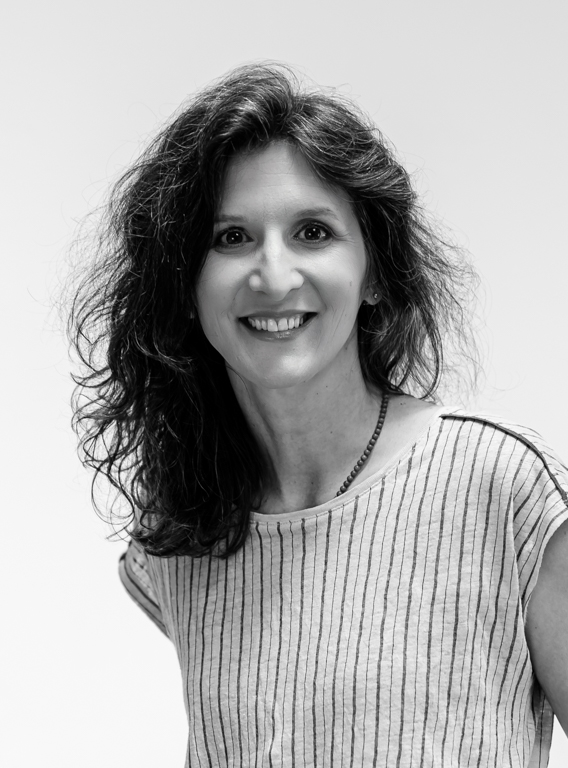
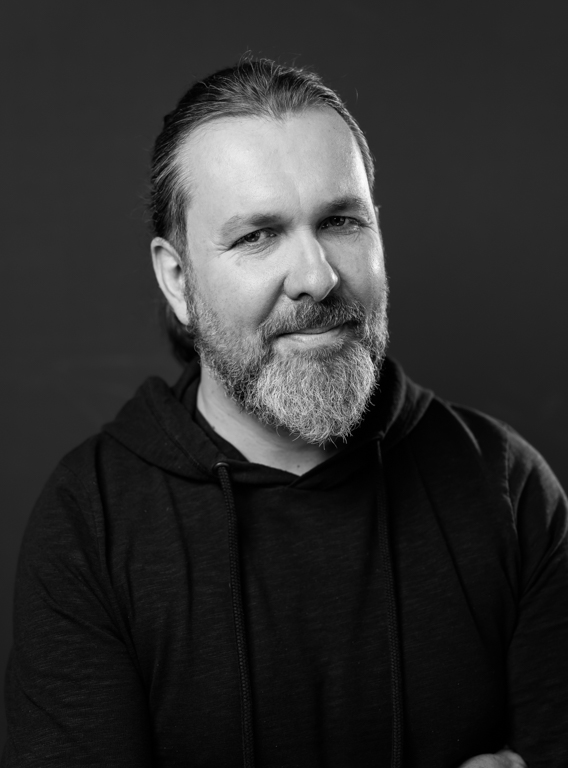
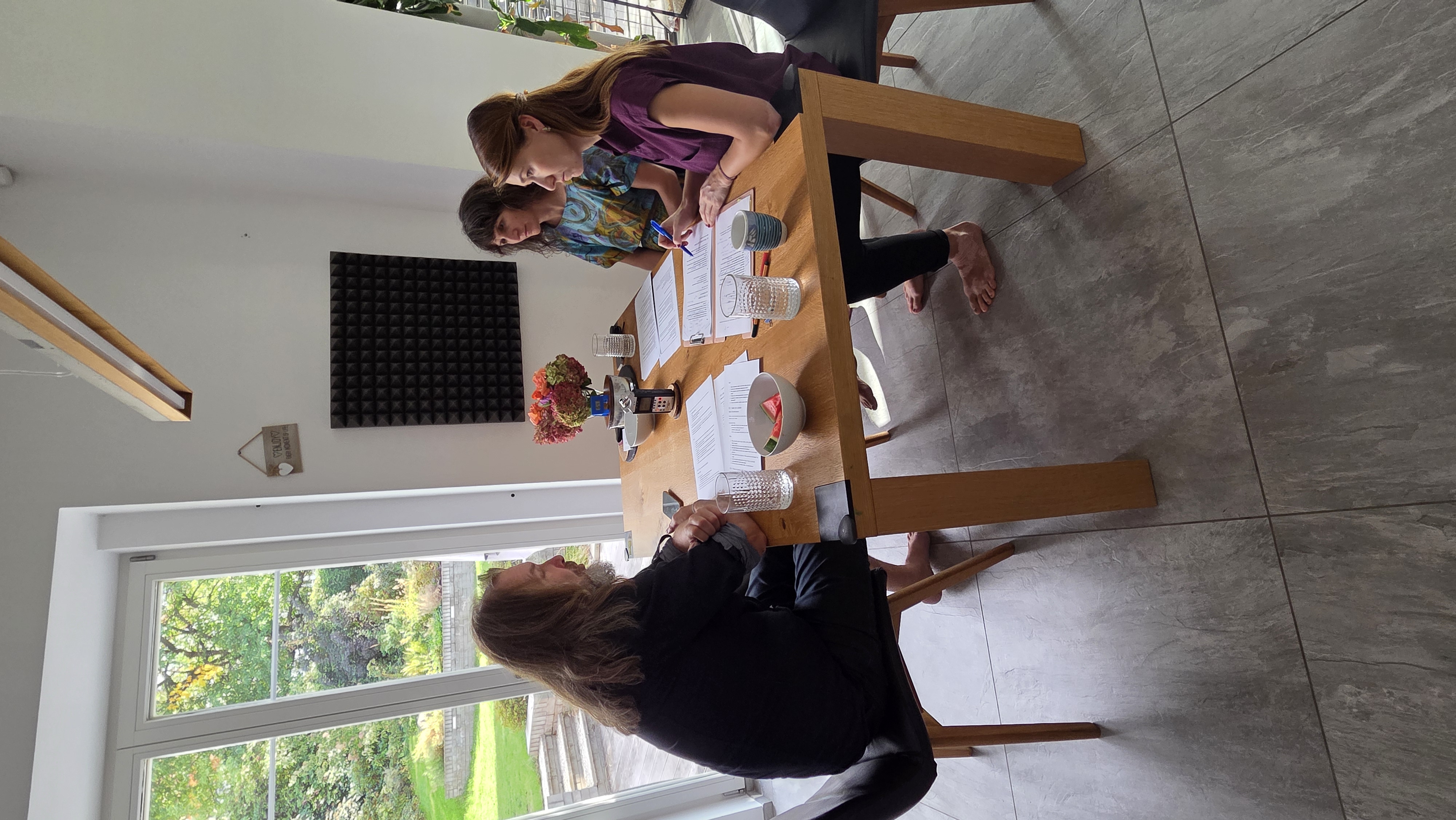
Conversation transcript in English
Alice
Hi, and welcome to the Z Marsu podcast and its first series, Being a mentor at school. This time we're discussing Why Mentor in Schools? Once again, you'll hear from Taťána Beránková Císařová, a teacher and education programme designer. Also at the table is Tomáš Vavrda, founder of Adaptivio, entrepreneur, visionary and innovator in education. I'm Alice Budová, and I'll be your host. I'm a...
Collapse transcript
Alice
Hi, and welcome to the Z Marsu podcast and its first series, Being a mentor at school. This time we're discussing Why Mentor in Schools? Once again, you'll hear from Taťána Beránková Císařová, a teacher and education programme designer. Also at the table is Tomáš Vavrda, founder of Adaptivio, entrepreneur, visionary and innovator in education. I'm Alice Budová, and I'll be your host. I'm a coach and facilitator for individuals and teams with multiple interests and talents. Together with Táňa and Tomáš, we're recording this podcast for anyone who mentors at school or is thinking about it.
Alice
Hi, Táňa.
Taťána
Hi, Alice.
Alice
Hi, Tomáš.
Tomáš
Hi.
Alice
Let's start straight away with some quick mentoring questions. Do you prefer helping students or employees develop?
Taťána
I enjoy helping anyone develop.
Tomáš
So do I, and I learnt how through working with students.
Alice
Always being right, or knowing how to admit a mistake?
Taťána
I think being able to admit a mistake is very liberating and valuable for students.
Tomáš
I don't see the ‘or’ there. In my view, not being right isn't always a mistake. That's just life.
Alice
Mentoring or being mentored?
Taťána
I'd like to be mentored sometimes.
Tomáš
I'd like to be mentored too, but I find mentoring fulfilling.
Alice
Mentoring at school, after school, or while playing truant?
Taťána
I think once I'm mentoring, it's really all the time.
Tomáš
Any time.
Alice
At the start of any project, it's good to get clear about why we're doing it. Where we find meaning in it, what we expect, and how we can express ourselves through it. That's why today's episode is about why to mentor in schools. I'd like to encourage you to share your stories, experiences and motivations. What draws you to being at school, mentoring and working together? You're quite a duo. Táňa, what led you to look for new ways of teaching and approaching students?
Taťána
I think it was reaching the limits of my own capacity. I tried to motivate students through my own effort and approach. I experimented with different techniques, attitudes and methods. After a few years of teaching, I felt exhausted because it seemed that I was the one doing most of the work. I realised that what was missing most from school, if students were to feel motivated from within and find lessons meaningful, was real life. So I started reaching out to friends, entrepreneurs and employees, and inviting them into school to bring that in. To lend credibility to what I was doing with the students.
Alice
You could say it was a need for reality, a kind of reality check.
Taťána
Yes, a need for reality and meaning, so I wouldn't feel frustrated as a teacher. I wanted what I did with them to be more meaningful.
Alice
Tomáš, how did you first get into mentoring at school?
Tomáš
Táňa invited me. At the suggestion of a mutual friend, I came to see a trade fair for the student companies we were setting up there. Táňa asked me, ‘What do you think of how we're doing things here?’ I said, ‘It seems to me that not much has changed.’ And she said, ‘Then come into our classroom and perhaps tell the students a bit about it. We're working on entrepreneurship now, so they might like to see a real, live person too.’ Then she introduced me as a living entrepreneur. That made me laugh. That's how I started. First I went once, then twice, until we ended up designing and teaching a whole subject together.
Alice
I imagine you could list plenty of benefits for students. We talked about them last time too. But now I'd like to ask from a personal, almost selfish perspective: what do you enjoy about it? What brings you joy? Try to pick a few situations.
Taťána
I enjoy several things. When we're in the classroom together as teacher and mentor, it feels much more natural. There are two people communicating with each other, and students see us dealing with different interpersonal situations: who will write what down, one of us doing something different from what we agreed, or the two of us having different opinions on the same thing. That in itself feels very valuable to me, and more natural than always being there on your own. I also enjoy connecting things to the students' context, for example explaining how we're building on something we did in another subject. Tomáš and I jointly lead a business project, and he contributes stories from life and his own experience. Even as an economics and entrepreneurship teacher, I enjoy listening to them. So I'm learning and developing during those lessons myself.
Alice
Tomáš, how about you?
Tomáš
During my first visits to Táňa's classroom, we tried out different situations. At the end, one student told me, ‘Business isn't for me. Now I know this isn't what I'm going to do.’ I thought, ‘That's great. Thanks to me, someone has chosen a path in life based on their own experience, without me giving them advice.’ Another thing happens quite often. At the end of the course, students say, ‘The worst thing was starting a company with friends. I never want to do that again.’ And I tell them, ‘You've just saved yourselves perhaps a million or two.’ I'm happy for them that my involvement has given them that.
Alice
It sounds to me, and perhaps I've heard this idea from you before, Tomáš, as though you're helping people avoid repeating mistakes you had to go through yourself. How do you approach that?
Tomáš
That's not how it is at all. They go through those mistakes and experience them, just like anyone who's learning something. We help them avoid falling apart over it. We tell them, ‘This wasn't a mistake. You've learnt something important. I made a mistake because I hadn't learnt it beforehand through anything else and fell straight into it. You tried it in a test environment, in a practice project. We take it seriously, but it's within a school setting. And I guided you through it.’ I didn't lead them around it, but through it.
Taťána
I'd like to add to that. It's another benefit for me, because I used to be afraid of letting students enter riskier situations. I wanted to protect them. I think that was because I didn't have the experience and didn't know how it would turn out. Now I see that Tomáš does know. He waits at the end of the road for them to arrive with their metaphorical scrapes and bruises, and he knows how to treat them. I've travelled that road with them and with him. As a result, I'm now much less afraid of letting students enter situations I can't predict, even when Tomáš isn't there. It's made me braver, and I'm better able to support their independence.
Alice
Mentoring sounds like a complex role, especially alongside a teacher. I wonder how to make sense of it and know whether I'm the right person, whether it's for me and I have something to offer. Táňa, what would you advise? What are the most important criteria? How do I know whether I'll be a good mentor for students?
Taťána
I'd start by finding out where I'm going and what's expected of me. I'd contact the teacher I'll be joining, so I know what kind of setting I'm entering, how big the group is and what the class is like. Every class is completely different. I'd find out what the teacher needs from me. Some teachers handle classroom situations and teamwork well but lack specialist expertise, especially if they're helping students develop businesses. Others enjoy the subject expertise and need someone who can organise teams and work with group dynamics. It varies. I wouldn't assume that, as a mentor, I have to replace the teacher entirely. Ideally, we complement each other. What's needed is the ability to agree on things, understand the setting and ask what's required. Offer yourself as the person you are, with the skills you have, without pretending to be someone else.
Alice
So it's about being authentic, based on what I can actually contribute. I'm not trying to turn myself into Superman, who can do everything.
Taťána
Yes, that's something I learnt with Tomáš too. For the first lesson, when he was coming in as a living entrepreneur, he arrived barefoot and casually dressed. For a moment I wondered what was going on. I had to move beyond the stereotypical idea that an entrepreneur must dress a certain way and have certain accessories. The same thing happened for the students. I liked how it broadened their horizons: people are different. They started getting to know Tomáš and his inner qualities, and became interested in what he does. They didn't stop at his appearance and put him in a box.
Tomáš
That went both ways. I'd recommend that anyone entering a new setting start by observing, just as they would in a new job. They were observing me, and I was observing them. I was asking myself what I was doing there, what I could do, where I could contribute and help. And, conversely, what dangers might trip me up, and what might be toxic for me in the environment or in the role itself. At first, I didn't go in as a mentor, but as a guest exploring the setting. Only after several visits did I realise it might work.
Alice
Let's move on. I hear humility towards the process in that. It's a development that can help the mentor grow too. It isn't a matter of already having everything figured out and just going in to explain it. In the next episode, we'll look at how to get in tune with a teacher and prepare. For now, I'd like to return to the question of why. What are your own reasons? Why do you do it and choose to take it on? Does it connect with your sense of purpose and what you want to do in life? How does mentoring fit with what matters to you?
Tomáš
I first tried it just after turning forty. It was a time when I kept wondering, ‘Does what I do have meaning? Does the business I've built bring me anything beyond money?’ I was exploring various other things, and the opportunity to go into a school came along. It drew me in. Through what I'd learnt myself, I could influence what many other people were doing. That felt exceptionally meaningful, so I kept exploring it.
Alice
Táňa?
Taťána
Teaching students about entrepreneurship while they're still at secondary school has always made a lot of sense to me. Now that I have a mentor with practical experience alongside me, I can be more myself and do what I'm better at. Before, I also tried to fill the role of a business expert, which I wasn't. This has helped me settle into my role as a teacher and recognise the value I bring. I do more to organise learning, deal with relationships and keep track of the timetable. I use reflection to help the children understand what they're learning, and I give them feedback. These days I also contribute to some of the specialist areas, because I've learnt how things work in practice. Having Tomáš in the classroom makes me feel more myself there, and I can see that it's good for the students too.
Alice
It sounds like a journey of self-discovery. Perhaps this is a leading question, but what useful things has teaching together or mentoring at school brought into your lives? Perhaps in areas beyond work or school.
Taťána
I've discovered that even as a teacher, I don't have to use my skills only in school. I've identified what being a teacher means beyond subject expertise. Those qualities are useful elsewhere too. It's given me freedom, confidence and pride in what I do. I've learnt to ask more questions, because at the beginning Tomáš would say during lessons, ‘Stop telling them all the time. Ask.’ So I started asking, and discovered a completely different way of working with a class and with people.
Alice
Wonderful. How about you, Tomáš?
Tomáš
I think it's made me a more capable entrepreneur. Doing something, perhaps intuitively or by following instructions, is one thing. Being able to explain it and teach it to someone else is another. You have to go much deeper to understand what you're doing and how it works. Sooner or later, you get there: either someone asks directly, or a situation arises that calls for an explanation. One example is a seemingly trivial question. Táňa came to me and said, ‘Next lesson, you'll tell the students why you're in business.’ I said, ‘Great, no problem.’ Then I spent the whole week thinking about why I was in business. I didn't know in a way that would let me talk about it for twenty minutes. On the first day, I thought, ‘I don't know. I just do it. It earns me a living.’ It took me a week to answer it properly. I was really pleased, because suddenly I could build on that. I realised, for example, that I don't always act in line with my reason for doing it, and sometimes I just do things mechanically. So helping others with it gives me a deeper understanding of what I do myself.
Alice
It sounds as though mentoring helps me ask myself important questions too.
Tomáš
It definitely does.
Alice
That sounds lovely. I have one more question. People like hearing about things that didn't work out. Can you remember a shared failure connected with teaching together? How did you recover and learn from it?
Taťána
I'll start. One failure comes to mind that follows from what we've just been saying. Before Tomáš and I clarified what each of us does and is good at, I often put him in front of the whole class as a lecturer. I thought that if a real expert explained things, students would take them on board more easily. But that format doesn't really suit Tomáš. I remember your lectures being terribly long. Later, you told me that when the class was quiet, you assumed they didn't understand and kept explaining it over and over. At the time, I was still too polite and didn't want to interrupt you. As a result, we didn't get through what we'd planned, and the lessons were cumbersome. The lesson is to use an expert in formats that suit them, where they fit, and ideally that they ask for themselves. Arrange the rest another way.
Tomáš
Our shared failure came after about two months. We were doing what we'd set out to do and discovered that the students hadn't understood it at all. They were doing something different from what we'd expected, and it didn't make sense to them. That was awful. They told us straight. In the spirit of what we'd been teaching them, that mistakes shouldn't make them fall apart, I said, ‘You have a unique chance to see what it looks like when you get something completely wrong in business. We'll think it through, and next lesson we'll see where to go from here.’ The next time we said, ‘This went wrong, we've worked it out, so we're starting again and moving on.’
Alice
Thank you. I'm very grateful for your openness and for sharing. It's enriching and reassuring to hear that it's a process, that you reflect on yourselves, can talk things through and gradually adjust them. It seems like a wonderful metaphor for life. We've reached the end of Why Mentor in Schools? Next time we'll look at how to get started in practice and how a teacher and mentor can get in tune before they begin. Thank you.
Thank you too. Thanks. Bye. Bye. Bye.
Alice
This podcast is brought to you by Adaptivio, a Czech company that helps businesses, schools and individuals change the world around them without waiting for permission. It connects business, technology and education, because good ideas rarely respect organisational boundaries. Instead of spending more time wondering whether something will work, it suggests giving it a try.